Photo: Yan Krukau / Pexels
Craft activities for kids at home don't need a shopping list, an art degree, or a spare afternoon. Finger painting, sand art, paper-plate crafts, a DIY wind chime, and mandala pattern art are five easy, low-mess options that use supplies most Indian homes already have — and each one builds a real skill, from fine motor control to focus, while your child is having fun.
Why Craft Activities Are Worth the Mess
Art and craft activities aren't just a way to fill an afternoon — they're doing real developmental work. Cutting, gluing, and painting build the small hand muscles kids later use for writing. Choosing colors, textures, and patterns builds decision-making. And finishing something they made, start to finish, builds a kind of patience and pride that's hard to teach any other way. The five activities below are ordered from least to most involved, so you can pick based on how much time and cleanup tolerance you have today.
1. Finger Painting Fun

Photo: Alexander Grey / Pexels
What you need: Washable finger paints (or a finger painting kit), thick paper or a painting mat, an apron or old t-shirt, a damp cloth for cleanup.
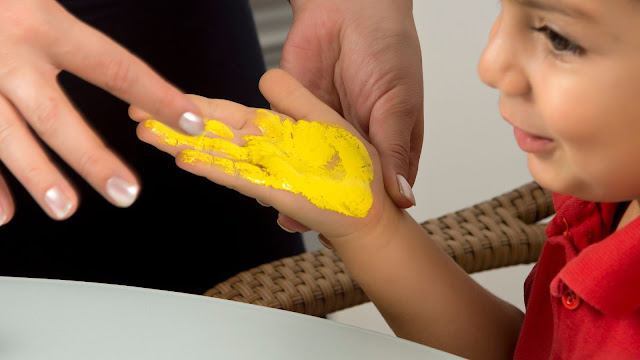
How to do it: Squeeze a few paint colors onto paper, spaced apart. Let your child use their fingers, palms, and even fists to blend colors and make shapes — no brushes needed. For younger kids, suggest simple prompts like "make a rainbow" or "paint your favorite animal"; older kids can try color-mixing (red and yellow make orange) as a mini science lesson.
What it builds: Sensory exploration, color recognition, and free-form creativity, with almost no technique required to get a result a toddler is proud of. ToyKraftt's Washable Finger Paints set is built for exactly this age band (2–5 years), with skin-safe, washable colors so the mess wipes off hands and clothes rather than staining them.
2. Colored Sand Art

Photo: Cup of Couple / Pexels
What you need: A sand art kit (colored sand plus a printed template or blank card), glue, and a tray to catch the overflow.
How to do it: Apply glue to one small section of the template at a time, sprinkle on the matching sand color, then tip off the excess back into the tray. Working section by section (rather than gluing the whole card at once) keeps colors from bleeding into each other.
What it builds: Fine motor precision and sustained focus — sand art has a slower, more deliberate pace than painting, which makes it a good pick for a child who needs a calmer, more concentrated activity. ToyKraftt's sand art range, like the Sand Art Fantasy Houses kit, is designed for this exact age group (3–5 years), with pre-sorted sand colors and pre-gummed templates so there's no separate sourcing or mixing involved.
3. Paper Plate Animal Craft
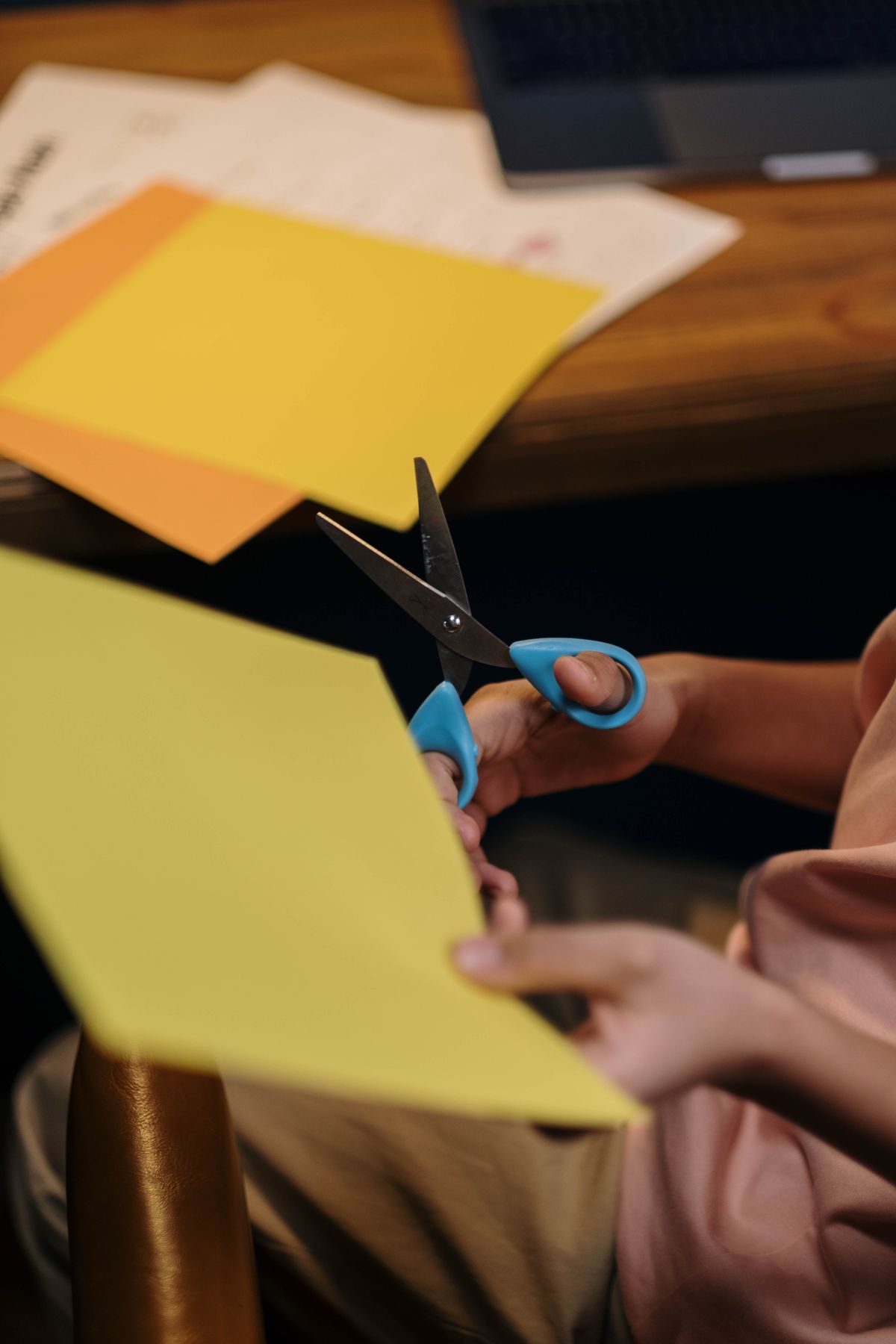
Photo: cottonbro studio / Pexels
What you need: A few paper plates, crayons or paint, safety scissors, glue, and any odds and ends around the house — buttons, wool, bottle caps, ice-cream sticks.
How to do it: Pick an animal (a lion, an owl, and a fish are easy first attempts), paint or color the plate as the animal's face or body, then glue on paper or found-object features — ears, eyes, a beak, whiskers. Let your child choose the animal and the materials rather than following a strict template.
What it builds: Open-ended creativity and a first real lesson in reusing everyday materials rather than needing anything store-bought — a genuinely zero-cost activity that works just as well for a group of kids as for one.
4. DIY Wind Chime
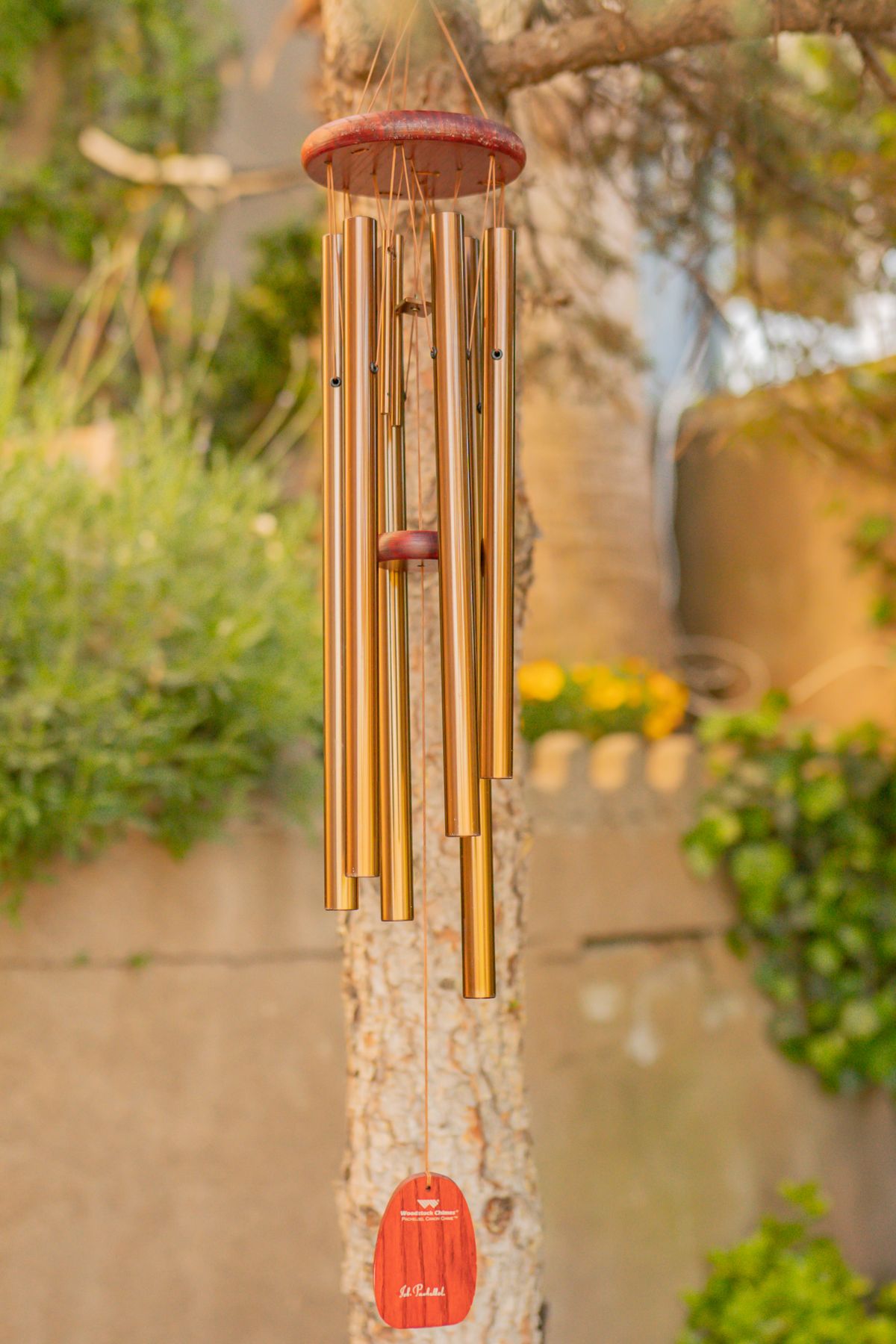
Photo: Furkan Fdemir / Pexels
What you need: A base (a twig, bangle, or embroidery hoop works fine), string or thread, and hanging pieces — bottle caps, old keys, beads, shells, or painted wooden discs — plus paint if the pieces aren't already colorful.
How to do it: Decorate the individual hanging pieces first and let them dry, then tie or attach them to the base at varying lengths so they catch the breeze differently. Hang the finished chime somewhere it'll actually get some wind — a balcony or a window is usually best.
What it builds: Fine motor coordination (tying, threading, spacing) and genuine follow-through, since a wind chime only "works" once every piece is attached — plus a finished craft that keeps being used, not just displayed once and put away.
5. Mandala Pattern Art
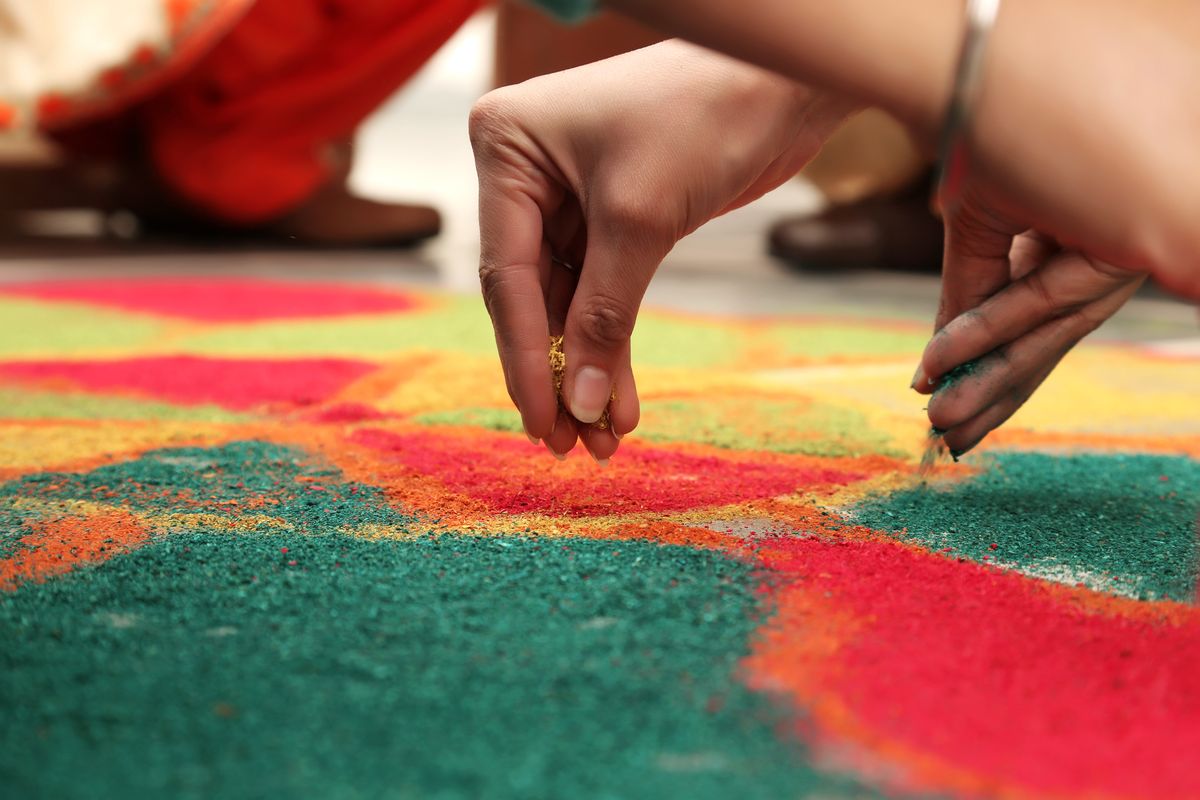
Photo: Nishant Aneja / Pexels
What you need: A round object or compass to trace a base circle, fine-tip markers or colored pencils, and paper.
How to do it: Start from the center of the circle and work outward, repeating a simple pattern — dots, petals, lines — in each ring. It doesn't need to be symmetrical to look good; the repetition is what makes it satisfying, not precision.
What it builds: Focus and a calming, almost meditative rhythm that makes mandala art a good wind-down activity before bedtime or after a high-energy day. If you'd rather skip drawing the guide circles yourself, ToyKraftt's Sand Art Rangoli Mandala kit (age 5+) comes with the pattern already templated, so kids are filling in a design rather than starting from a blank page.
What Craft Supplies Should Every Home Have?
You don't need a dedicated craft cupboard to keep craft activities going — a small, well-chosen supply box covers almost everything above:
- Plain and colored paper, plus a few paper plates
- Safety scissors sized for small hands
- A glue stick and a bottle of white glue for sturdier attachments
- Crayons, washable markers, and washable paint
- Masking tape or washi tape
- An "odds and ends" box — buttons, ice-cream sticks, bottle caps, wool, beads
- One or two themed kits (like ToyKraftt's Mould & Paint or Paper Craft ranges) for days when you want a guided project with everything already measured out, rather than assembling supplies yourself
Keeping this box somewhere your child can reach it themselves also matters more than the contents — a lot of craft time starts with a child pulling out the box and getting started on their own.
Bring Craft Time Home
None of these five need a special occasion, a big table, or a free weekend — they're built to fit into an ordinary afternoon with supplies you can keep on hand. If you'd rather skip the supply-gathering step, ToyKraftt's Ages 3 to 5 collection covers finger painting and sand art kits ready to open and start, right alongside the rest of the Art & Craft range.
Frequently Asked Questions
What craft supplies should every home have?
A basic kit covers plain and colored paper, safety scissors, a glue stick, crayons or washable paint, tape, and an odds-and-ends box of buttons, sticks, and beads. A themed kit is a useful add-on for days you want a fully guided project rather than freeform craft.
What age are these craft activities suitable for?
Finger painting works well from around age 2 and sand art from about 3, while paper plate crafts, wind chime making, and mandala or rangoli art suit kids from about 5 upward, since they involve more cutting, tying, or sustained focus. Always check the recommended age on a specific kit before handing it over.
How can I keep craft activities mess-free at home?
Work on a wipeable mat or tray, keep a damp cloth within reach, and choose washable paints and glue over permanent ones. Sand art and mandala art are naturally lower-mess options if you're short on cleanup time.
How often should kids do craft activities?
There's no fixed rule — even one or two sessions a week builds real fine motor and focus benefits over time. What matters more than frequency is letting your child choose the activity and finish it at their own pace.
What if my child says they're "not good at art"?
Start with an activity that has a built-in structure, like sand art or mandala patterns, where following the steps produces a good result regardless of drawing skill. The goal is finishing something they're proud of, not artistic accuracy.
Do these activities need any special skills or classes?
No — all five are designed for a parent or older sibling to guide at home with no craft background needed. Kits that come with pre-cut or pre-sorted pieces, like sand art kits, remove most of the setup and skill barrier entirely.



Comments
Post a Comment